Driving Manual in New Mexico: A Comprehensive Guide

Navigating New Mexico roads requires understanding specific regulations and practices․ This guide provides essential information‚ from licensing and testing to traffic laws and safe driving techniques․

Staying informed ensures a safe and compliant driving experience within the state’s unique driving environment․
Remember to check for updates and resources from the New Mexico Department of Motor Vehicles (DMV) for the most current information․
I․ New Mexico Driver’s Manual Overview
The New Mexico Driver’s Manual is a crucial resource for anyone planning to operate a vehicle within the state․ It’s designed to educate drivers on the rules of the road‚ safe driving practices‚ and the specific laws governing transportation in New Mexico․ This comprehensive guide covers a wide range of topics‚ beginning with obtaining a driver’s license and progressing through detailed explanations of traffic laws‚ road signs‚ and potential hazards․
Understanding the manual is not just about passing the driving test; it’s about becoming a responsible and informed driver․ The manual details procedures for learner’s permits‚ the requirements for the driving test itself – including vehicle stipulations – and outlines common mistakes to avoid during the evaluation․ Furthermore‚ it delves into critical areas like DUI laws‚ cell phone usage restrictions while driving‚ and the mandatory car insurance requirements for all New Mexico vehicle owners․
Regularly updated by the New Mexico Department of Motor Vehicles (DMV)‚ the manual also provides information on vehicle registration‚ motorcycle licensing‚ and even commercial driver’s licenses (CDL)․ It’s a dynamic document reflecting changes in legislation and best practices for road safety․ Accessing the latest version is vital‚ and resources for doing so are readily available online through the official DMV website․
II․ Obtaining a New Mexico Driver’s License
Securing a New Mexico driver’s license involves a multi-step process designed to ensure all drivers meet the state’s safety and competency standards․ The initial step typically requires obtaining a learner’s permit‚ which necessitates passing a written knowledge test covering traffic laws and road signs․ Applicants must present specific documentation proving identity‚ residency‚ and legal presence in the United States – details outlined in the official driver’s manual․
Once the learner’s permit is obtained‚ a supervised driving period is mandatory‚ allowing new drivers to gain practical experience before attempting the full driving test․ This period has specific requirements regarding the number of logged driving hours and the accompanying licensed driver․ Following successful completion of the supervised driving phase‚ applicants can schedule a driving test at a designated DMV facility․
The driving test assesses a candidate’s ability to safely operate a vehicle‚ demonstrating proficiency in maneuvers like parallel parking‚ lane changes‚ and obeying traffic signals․ Upon passing both the written and driving tests‚ and fulfilling all documentation requirements‚ the New Mexico DMV will issue a driver’s license‚ granting the privilege to legally operate a motor vehicle within the state․
III․ Age Requirements for Licensing

New Mexico establishes tiered age requirements for obtaining driving privileges‚ reflecting a graduated licensing system designed to enhance safety․ Individuals must be at least 15 years and 6 months old to apply for a learner’s permit․ However‚ even at this age‚ specific restrictions apply‚ including requirements for supervised driving hours with a licensed adult․
To qualify for a restricted license‚ applicants must be at least 16 years old and have held a learner’s permit for a minimum of 12 months‚ completing 50 hours of supervised driving‚ including 10 hours at night․ A restricted license allows driving under specific conditions‚ such as to and from school or work․

Full‚ unrestricted driving privileges are granted at age 18․ Individuals reaching this age automatically receive a full license if they have previously held a learner’s permit or restricted license․ Those who are 18 or older can bypass the learner’s permit stage and apply directly for a driver’s license‚ though they must still pass the required written and driving tests․ These age-based regulations aim to progressively introduce new drivers to the responsibilities of operating a vehicle․
IV․ Learner’s Permit Requirements
Securing a learner’s permit in New Mexico is the initial step towards obtaining a driver’s license․ Applicants must be at least 15 years and 6 months old and successfully pass a vision test‚ a written knowledge test covering traffic laws and safe driving practices‚ and demonstrate basic understanding of road signs․
The written exam assesses comprehension of New Mexico’s driving regulations‚ including speed limits‚ right-of-way rules‚ and DUI laws․ Applicants must score at least 80% to pass․ Study materials‚ including the New Mexico Driver’s Manual‚ are readily available online and at DMV offices․
Upon passing the vision and written tests‚ applicants receive a learner’s permit․ This permit allows driving only when accompanied by a licensed driver who is at least 21 years old and occupying the passenger seat․ Permit holders are required to adhere to specific restrictions‚ including limitations on driving hours and passenger numbers․ Maintaining a clean driving record during the permit phase is crucial for progressing to the next licensing stage․
V․ Required Documents for a Learner’s Permit
Applying for a New Mexico learner’s permit necessitates presenting specific documentation to verify identity‚ residency‚ and legal presence․ Applicants must provide a certified copy of their birth certificate‚ or a valid U․S․ passport‚ or a Certificate of Naturalization․ These documents establish proof of age and citizenship․
Proof of New Mexico residency is also mandatory․ Acceptable documents include a utility bill (water‚ gas‚ or electricity)‚ a bank statement‚ or official school records displaying the applicant’s name and address․ Two forms of residency verification are generally required․
Social Security number verification is essential․ Applicants must present their Social Security card or a W-2 form․ Additionally‚ a completed Driver’s License/Identification Card Application form (DL-33) is required․ Parents or legal guardians must co-sign the application for applicants under 18․ Ensure all documents are original or certified copies to avoid processing delays․
VI․ The New Mexico Driving Test
The New Mexico driving test comprehensively evaluates a candidate’s ability to operate a vehicle safely and adhere to traffic laws․ The test typically includes a pre-drive vehicle inspection‚ assessing functionality of lights‚ signals‚ and safety equipment․ Following this‚ the on-road portion begins‚ where examiners observe driving skills in real-world traffic conditions․
Evaluated maneuvers include proper lane changes‚ controlled intersections‚ parallel parking‚ and maintaining a safe following distance․ Examiners assess the applicant’s ability to observe traffic signs and signals‚ yield right-of-way‚ and demonstrate defensive driving techniques․ Clear communication through signaling and proper observation is crucial․
Common areas of focus include speed control‚ smooth braking‚ and maintaining proper vehicle positioning within the lane․ A passing score demonstrates competency and safe driving habits․ Preparation is key; practice with a licensed driver and familiarize yourself with New Mexico’s driving manual before scheduling the test․
VII․ Vehicle Requirements for the Driving Test
To successfully complete the New Mexico driving test‚ the vehicle used must meet specific requirements to ensure safety and legality․ The vehicle must be currently registered and insured‚ with valid documentation readily available for the examiner’s review․ All safety features‚ including headlights‚ brake lights‚ turn signals‚ and windshield wipers‚ must be in proper working order․

Tires must have sufficient tread depth‚ and the vehicle must be free of any mechanical defects that could compromise safety․ The vehicle must also have a functional parking brake and a working horn․ Any warning lights illuminated on the dashboard must be addressed before the test․
It is the applicant’s responsibility to provide a vehicle that meets these standards․ The examiner reserves the right to refuse the test if the vehicle is deemed unsafe or does not comply with the requirements․ Ensure the vehicle is clean and presentable‚ allowing the examiner clear visibility during the assessment․
VIII․ Common Driving Test Mistakes to Avoid
Successfully passing the New Mexico driving test requires careful preparation and awareness of common errors․ One frequent mistake is failing to check blind spots adequately before changing lanes or merging․ Another is improper observation at intersections‚ leading to missed stop signs or yielding errors․
Applicants often struggle with maintaining a consistent speed and following distance‚ resulting in jerky movements or tailgating․ Incorrect lane positioning‚ such as drifting or making excessively wide turns‚ is also a common issue․ Hesitation‚ particularly when merging or entering traffic‚ can demonstrate a lack of confidence and decisiveness․
Failing to signal properly or signaling too late can lead to deductions․ Poor parking skills‚ including inaccurate alignment or hitting cones‚ are also frequently observed․ Remember to remain calm‚ follow instructions carefully‚ and demonstrate safe driving habits throughout the entire test․ Practice these areas beforehand to increase your chances of success․
IX․ Understanding New Mexico Traffic Laws
New Mexico traffic laws are designed to ensure the safety of all road users․ Drivers must adhere to all posted speed limits‚ which vary depending on the road type and location․ Right-of-way rules dictate who has the legal right to proceed in various traffic situations‚ prioritizing safety and order․
Understanding these laws is crucial for avoiding accidents and traffic violations․ New Mexico enforces strict DUI laws‚ with severe penalties for driving under the influence of alcohol or drugs․ Cell phone use while driving is restricted; hands-free devices are often required․ Seatbelt usage is mandatory for all occupants of a vehicle․
Familiarize yourself with specific regulations regarding lane changes‚ turning‚ and merging․ Ignorance of the law is not a valid defense․ Regularly review the New Mexico Driver’s Manual and stay updated on any changes to traffic regulations․ Compliance with these laws contributes to a safer driving environment for everyone․
X․ Speed Limits in New Mexico
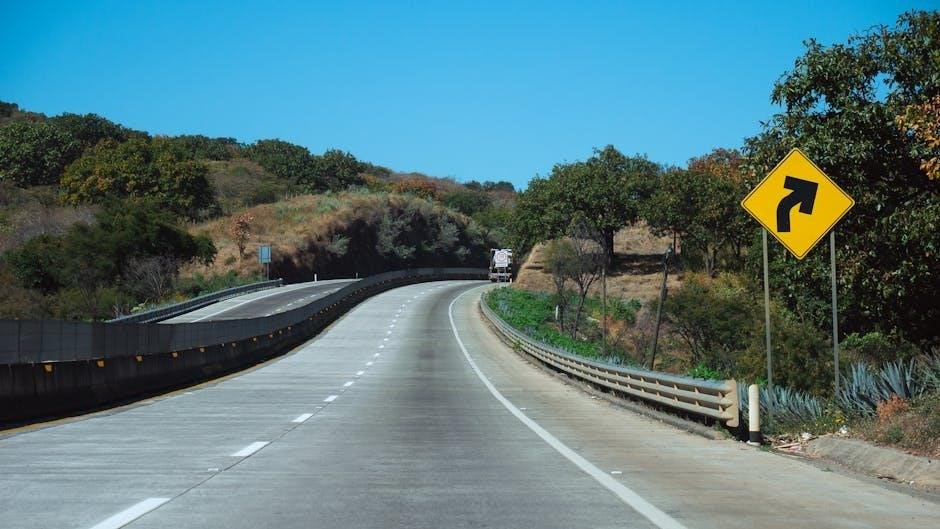
New Mexico’s speed limits are carefully determined based on road conditions‚ traffic density‚ and safety considerations․ On most rural highways‚ the maximum speed limit is 75 mph‚ but this can be reduced in areas with curves‚ construction‚ or adverse weather․ Within city and town limits‚ the speed limit is typically 25 mph in residential areas and 35 mph in business districts‚ though signage always prevails․
Interstate highways generally have a speed limit of 75 mph‚ but may be lower near urban areas․ School zones and work zones often have significantly reduced speed limits‚ and fines are doubled in these areas․ Drivers are legally obligated to adhere to posted speed limits‚ and exceeding them can result in costly tickets and increased insurance rates․
Always adjust your speed based on prevailing conditions‚ including visibility‚ weather‚ and traffic flow․ Remember that speed limits are maximums‚ not guarantees of safe travel․ Prioritize safety and drive at a speed that allows you to maintain control of your vehicle․
XI․ Right-of-Way Rules in New Mexico
Understanding right-of-way rules is crucial for preventing accidents in New Mexico․ Generally‚ vehicles approaching an intersection must yield to traffic already in the intersection․ When approaching a four-way stop‚ the first vehicle to arrive has the right-of-way; if arriving simultaneously‚ the vehicle on the right proceeds first․
Pedestrians always have the right-of-way in crosswalks‚ marked or unmarked․ Drivers must yield to pedestrians and cyclists‚ ensuring their safety․ When merging onto a highway‚ yield to traffic already on the highway․ Emergency vehicles with sirens and flashing lights always have the right-of-way‚ requiring drivers to pull over and stop․
Unprotected left turns require yielding to oncoming traffic․ At intersections without signals‚ use caution and make eye contact with other drivers to establish right-of-way․ Remember‚ being courteous and yielding when unsure can prevent collisions and ensure a smoother traffic flow․
XII․ New Mexico DUI Laws
New Mexico has strict laws regarding driving under the influence (DUI) of alcohol or drugs․ A blood alcohol content (BAC) of 0․08% or higher is considered legally intoxicated for drivers 21 years or older․ For drivers under 21‚ a zero-tolerance policy applies‚ meaning any detectable amount of alcohol is illegal․
First-time DUI offenders may face penalties including fines‚ license suspension‚ community service‚ and mandatory alcohol education or treatment․ Subsequent offenses carry significantly harsher penalties‚ potentially including jail time and extended license revocation․ Implied consent laws require drivers to submit to BAC testing if requested by law enforcement․
Refusal to submit to testing can result in automatic license suspension‚ even without a DUI conviction․ New Mexico also prohibits driving under the influence of drugs‚ including prescription and illegal substances․ Ignorance of the law is not a valid defense; responsible driving means avoiding impaired operation of a vehicle․
XIII․ Cell Phone Use and Driving Laws
New Mexico law restricts the use of handheld mobile devices while operating a vehicle․ A ban on texting while driving is in effect statewide‚ prohibiting drivers from manually entering text messages‚ emails‚ or accessing internet data on their phones․ This applies to both texting and reading messages․
Hands-free devices‚ such as Bluetooth headsets or dashboard mounts‚ are permitted for making and receiving calls․ However‚ drivers are still expected to maintain focus on the road and avoid distractions․ The law emphasizes that even hands-free use can impair driving ability․
Exceptions exist for reporting emergencies to law enforcement or while parked․ Violations of the texting ban can result in fines and points on your driving record․ Law enforcement officers actively enforce these laws to promote safer roadways․ Prioritizing safe driving means minimizing distractions and focusing on the task of operating a vehicle․

XIV․ New Mexico Car Insurance Requirements
New Mexico law mandates that all vehicle owners maintain minimum levels of liability insurance․ These requirements are designed to protect drivers and pedestrians in the event of an accident․ The minimum coverage includes $25‚000 for injury or death of one person‚ $50‚000 for injury or death of two or more persons‚ and $10‚000 for property damage․
Drivers must provide proof of insurance upon request by law enforcement; Failure to maintain adequate insurance coverage can result in penalties‚ including fines‚ suspension of driving privileges‚ and vehicle impoundment․ It’s crucial to understand that these are minimum requirements; drivers may want to consider higher coverage limits for greater protection․

Various insurance providers operate within New Mexico‚ offering a range of policies․ Shopping around and comparing quotes is recommended to find the best coverage at a competitive price․ Maintaining continuous insurance coverage is vital to avoid lapses and potential complications․
XV․ Vehicle Registration in New Mexico
Vehicle registration in New Mexico is handled by the Motor Vehicle Division (MVD)․ New residents have 30 days to register their vehicles and obtain New Mexico license plates․ Registration typically requires proof of ownership (title)‚ proof of insurance‚ and a valid New Mexico driver’s license or identification card․
The registration process involves submitting the necessary documentation and paying applicable fees․ Fees vary depending on the vehicle’s type‚ weight‚ and age․ Renewals are required annually‚ and renewal notices are typically mailed to registered owners․ Online renewal is often available for convenience․
Vehicles must undergo a safety inspection and emissions testing (if applicable) before registration can be completed․ These inspections ensure vehicles meet state safety standards and contribute to cleaner air․ Properly registered vehicles are essential for legal operation on New Mexico roadways‚ and avoiding potential penalties․
XVI; New Mexico Motorcycle Licensing
Obtaining a motorcycle license in New Mexico requires passing both a knowledge test and a skills test․ Applicants must first obtain a motorcycle instruction permit‚ which allows supervised riding practice․ The knowledge test assesses understanding of motorcycle-specific laws‚ safe riding techniques‚ and hazard awareness․

The skills test evaluates a rider’s ability to control a motorcycle safely and effectively․ This test typically includes maneuvers like cone weaving‚ controlled stops‚ and turning․ Successful completion of both tests results in a motorcycle license endorsement added to the driver’s existing license․
New riders are strongly encouraged to complete a Motorcycle Safety Foundation (MSF) Basic RiderCourse․ This course provides hands-on training and can waive the skills test requirement in some cases․ Proper licensing and training are crucial for motorcycle safety‚ given the increased vulnerability of riders on New Mexico roads․
XVII․ Commercial Driver’s License (CDL) in New Mexico
Securing a Commercial Driver’s License (CDL) in New Mexico involves a more rigorous process than obtaining a standard driver’s license․ Applicants must meet specific age requirements‚ demonstrate financial responsibility‚ and pass both written knowledge tests and a comprehensive skills test․ These tests cover federal and state regulations pertaining to commercial vehicle operation․
CDL classifications depend on the type of vehicle operated‚ including Class A (combinations)‚ Class B (single vehicles)‚ and Class C (vehicles transporting passengers or hazardous materials)․ Each class requires specific endorsements for operating certain types of vehicles or transporting particular cargo․ Background checks and medical examinations are also mandatory components of the CDL application process․
New Mexico’s CDL requirements align with federal standards‚ ensuring consistent safety regulations across state lines․ Proper training and adherence to these regulations are vital for professional drivers operating commercial vehicles within the state‚ promoting highway safety for all․
XVIII․ Road Signs in New Mexico
Understanding road signs is crucial for safe driving in New Mexico․ Signs are categorized into three main types: regulatory‚ warning‚ and guide signs․ Regulatory signs inform drivers of laws and regulations‚ such as speed limits or turning restrictions‚ and are often legally enforceable․
Warning signs alert drivers to potential hazards ahead‚ like curves‚ intersections‚ or pedestrian crossings․ These signs are typically yellow and diamond-shaped‚ prompting increased caution․ Guide signs provide directional information‚ route numbers‚ and points of interest‚ assisting drivers in navigating to their destinations․
New Mexico utilizes the Manual on Uniform Traffic Control Devices (MUTCD) standards‚ ensuring consistency in sign design and placement․ Familiarizing yourself with common sign shapes‚ colors‚ and symbols is essential for interpreting road information quickly and accurately․ Paying attention to these visual cues enhances situational awareness and contributes to safer driving practices throughout the state․
XIX․ Defensive Driving Techniques for New Mexico Roads
New Mexico’s diverse terrain and weather conditions demand proactive defensive driving․ Maintaining a safe following distance – at least three seconds – provides crucial reaction time․ Scanning the road ahead‚ checking mirrors frequently‚ and being aware of surroundings are vital habits․
Anticipate potential hazards like wildlife crossings‚ especially in rural areas‚ and adjust speed accordingly․ Be prepared for sudden weather changes‚ including dust storms or flash floods‚ common in certain regions․ Avoid distractions like cell phones or eating while driving‚ focusing solely on the task of operating the vehicle․
Practice the “two-second rule” in adverse conditions‚ increasing following distance further․ Smooth braking and steering contribute to vehicle control․ Consider a defensive driving course to enhance skills and knowledge․ Prioritizing awareness and proactive measures significantly reduces accident risk on New Mexico roads․
XX․ New Mexico Driver’s Manual Updates & Resources
Staying current with New Mexico’s driving regulations is crucial for safe and legal operation of a vehicle․ The New Mexico Department of Motor Vehicles (NMV) website (https://www․nmdmv․state․nm․us/) is the primary source for the latest driver’s manual and updates․
Regularly check the NMV website for revisions to traffic laws‚ licensing procedures‚ and vehicle registration requirements․ Online resources also include practice tests to prepare for the knowledge and driving exams․ Consider enrolling in a state-approved driver education course for comprehensive instruction․
The NMV also provides information on vehicle recalls and safety alerts․ Utilize the official NMV publications rather than relying solely on third-party sources․ Familiarize yourself with the Google Workspace Status page for potential disruptions to online services․ Proactive engagement with these resources ensures informed and responsible driving practices․
XXI․ Frequently Asked Questions (FAQs) about Driving in New Mexico
Q: Where can I find the most up-to-date driver’s manual? A: The New Mexico Department of Motor Vehicles (NMV) website (https://www․nmdmv․state․nm․us/) offers the official‚ current version․
Q: What if I’m having trouble accessing NMV online services? A: Check the Google Workspace Status page for potential outages or temporary problems affecting access․
Q: Can I take the driving test in my own vehicle? A: Yes‚ but it must meet specific requirements regarding safety and functionality – see Section VII․
Q: What documents are needed for a learner’s permit? A: Refer to Section V for a comprehensive list of required documentation;
Q: How often is the driver’s manual updated? A: Updates occur as laws change‚ so frequent checks of the NMV website are recommended․ Remember to sign out of existing Gmail accounts before creating new ones․
Staying informed is key to safe and legal driving in New Mexico․
XXII․ New Mexico Department of Motor Vehicles (DMV) Contact Information
For general inquiries regarding driver’s licenses‚ vehicle registration‚ and the New Mexico driving manual‚ contact the NMV through the following channels:
- Website: https://www․nmdmv․state․nm․us/ – The primary source for information and online services․
- Phone: 1-800-283-7682 (toll-free within New Mexico) or 505-827-2000 (locally)․
- Address: New Mexico Department of Motor Vehicles‚ 11201 Civic Center Circle‚ Albuquerque‚ NM 87108․
Please note that access to online services may occasionally be affected by Google Workspace Status issues․ Check their page for updates․
For specific questions about a new Gmail account setup‚ ensure you’ve signed out of any existing accounts first․
Remember to have your relevant documentation ready when contacting the NMV․ Staying connected ensures a smooth experience with your driving-related needs in New Mexico․
Always verify information directly with the NMV for accuracy․